My money is on this for a Black Pencil or a Lion:
In my opinion it’s an outstanding piece of advertising. First I’ll explain how they did it, and then I’ll explain why I like it so much.
In order to make the advert work the balloon has to be neutrally buoyant. A neutrally buoyant object has a mass that is equal to the mass of air (or another fluid) that it displaces. This means that the weight of the object is cancelled out by the buoyant force upon it. There is no overall force on the balloon and it floats neither up nor down.
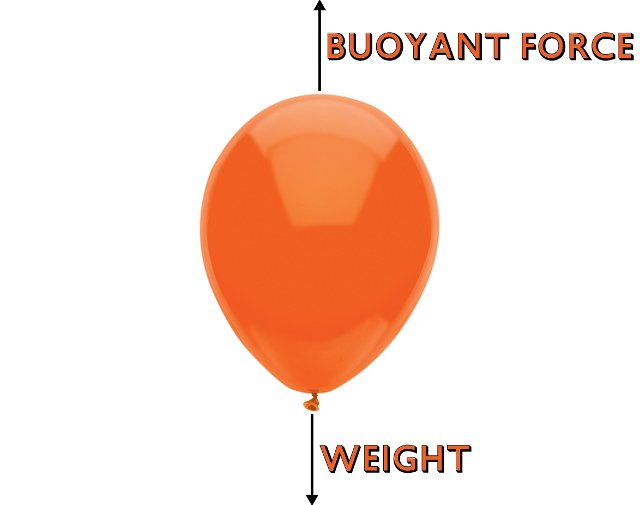
With no buoyancy or weight forces acting, the balloon responds only to the forces exerted upon it by the surrounding air. Because of the way that the Dyson Air Multiplier works the sucking effect of the “fan” draws the balloon in, and the expelled air then drives it forward. The absence of any blades means that the balloon is able to pass through the fan without harm.
But why is it such a brilliant advert? First, the soundtrack: there’s no voiceover, no actors or actresses, just the sound of the fans themselves. And they are quiet and smooth. One of the things people like least about conventional fans is the noise they make – here Dyson show off one of their fan’s unique selling points without you even realising it.
Then there’s the idea itself: a balloon passing through a fan? The unique selling point of the Air Multiplier is the absence of any blades; a fragile balloon is the perfect test object. If a balloon can pass through a Dyson fan safely then so can your children’s fingers and your pets’ noses.
And lastly there’s the setting. The way that the fans are arranged (carefully set up to show the Dyson’s ability to tilt and rotate) around the offices and manufacturing plant puts you inside Dyson and shows you the sort of company you’re buying from.
I should also point out that this doesn’t seem to be the work of an advertising agency. The disclaimer on the video even goes as far to specify that the advert was “created and executed by trained Dyson engineers”.