Tags
animal art astronomy CERN colour computer death density design electricity energy genetics geometry gravity HEP infrared LHC light magnitude map mars mathematics moon natural world nobel nuclear optics photography pressure radioactivity robot rover safety satellite snow solar sound space statistics sun time transport volcano water weather-
Recent Posts
- What do Y, Yb, Tb, Er, Gd, Tm, Sc, Ho, Dy and Lu have in common?
- Why is Quincy, Washington so popular with tech companies?
- Why putting missiles on roofs in London isn’t as dumb as it sounds.
- The classified Space Shuttle missions
- Where is the best place to launch a rocket from?
- Transporting the Shuttle
- Clockwise
- Why kettles boil slowly in the US
- Poverty and the wind
- Why you can’t open aeroplane doors in flight
- What are contrails?
- Three different types of magnetism
- Consanguinity and the coefficient of relationship
- Magnetic coins
- A rectangular galaxy
- Smiths
- Water in Bermuda
- Do bowling balls float?
- The base rate fallacy
- Recent solar flare
- The man who put his head in a particle accelerator
- Does time go faster as you get older?
- Unclaimed Antarctica
- Uptake of triple science
- LHC quilts
- Which university course is most popular?
- Understanding the problem with RSA
- How big are pizzas?
- Shapes of equal width
- Ebb and Flow
- The polarisation of the sky
- Whiteboards
- The cost of coins
- Technetium-99m generators
- Plug wiring colour scheme
- Night vision
- The most radioactive parts of the UK
- Biosphere lungs
- Anscombe’s quartet
- Haversine formula
- Patterns in birthdays
- Curiosity’s nuclear battery
- You’ve already experienced the earliest Easter you’ll ever know
- Logarithmic scales
- The Milky Way is shaped like a CD
- The speed of jet lag
- Types of Desert
- UK electricity import and export
- The Moses Bridge
- Why does metal feel cold?
Archives
- May 2012
- April 2012
- March 2012
- February 2012
- January 2012
- December 2011
- November 2011
- October 2011
- September 2011
- August 2011
- July 2011
- June 2011
- May 2011
- April 2011
- March 2011
- February 2011
- January 2011
- December 2010
- November 2010
- October 2010
- September 2010
- August 2010
- July 2010
- June 2010
- May 2010
- April 2010
- March 2010
- February 2010
- January 2010
- December 2009
- November 2009
- October 2009
- September 2009
- August 2009
- July 2009
- June 2009
- May 2009
- April 2009
- March 2009
- February 2009
- January 2009
- December 2008
- November 2008
- October 2008
- September 2008
- August 2008
- June 2008
- May 2008
- April 2008
- March 2008
- February 2008
- January 2008
- December 2007
- November 2007
- October 2007
- September 2007
- August 2007
Mr Reid's Favourites
- BadScience.net
- Careers in Science
- Dot Physics
- Evolution of Physics
- FictionScience
- FreeRice
- Gapminder
- Hackers! newspaper
- Hubble Telescope Gallery
- HyperPhysics
- Particle Adventure
- Physics Factbook
- Science: So what?
- Sense about Science
- Sustainable Energy Without the Hot Air
- The Worlds of David Darling
- Wikipedia
- Worldmapper
Monthly Archives: August 2007
The Cave of Swords
The Cave of Swords (Cueva de las Espadas) and the Cave of the Crystals (Cueva de los Cristales) in the Naica Hills, Chihuahua, Mexico are named after the extraordinary gypsum crystals that have formed there.
The ten worst jobs in science
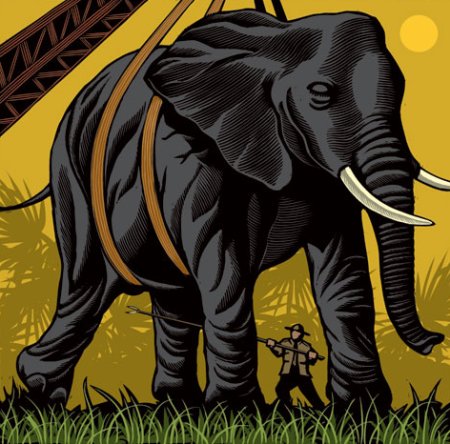
Popular Science Magazine has published its 2007 list of the 10 Worst Jobs in Science. Can you guess what any of them might be? The picture below might give you a clue to number 3 on the list.
Scientists on money
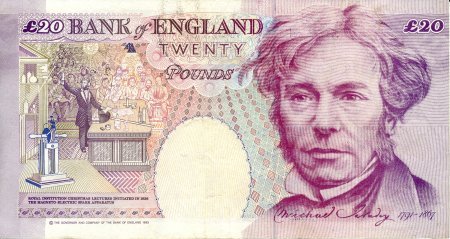
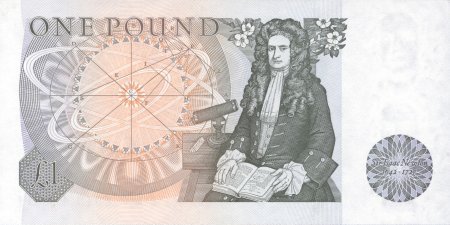
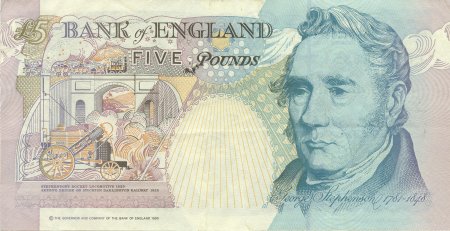
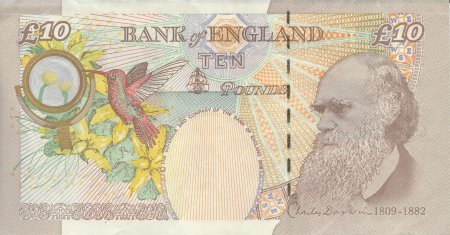
England has a long tradition of printing pictures of scientists on its money. Isaac Newton appeared on the old £1 note: George Stephenson, the “Father of Railways” appears on the £5 note: Charles Darwin, the discoverer of evolution, appears on the £10 note: Michael … Continue reading
The Great Blue Hole
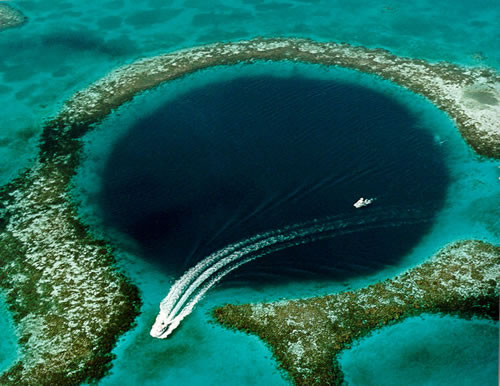
The Great Blue Hole off the coast of Belize is a huge sinkhole that formed when an enormous limestone cave system collapsed. Popular with scuba divers, it is over 300m across and more than 120m deep.