Tags
animal art astronaut astronomy CERN colour computer death density design disease electricity energy HEP infrared LHC light magnitude map mars mathematics moon natural world nobel nuclear optics photography pressure radioactivity robot rover safety satellite snow solar sound space sun t-shirt time transport volcano water weapon weather-
Recent Posts
- Whiteboards
- The cost of coins
- Technetium-99m generators
- Plug wiring colour scheme
- Night vision
- The most radioactive parts of the UK
- Biosphere lungs
- Anscombe’s quartet
- Haversine formula
- Patterns in birthdays
- Curiosity’s nuclear battery
- You’ve already experienced the earliest Easter you’ll ever know
- Logarithmic scales
- The Milky Way is shaped like a CD
- The speed of jet lag
- Types of Desert
- UK electricity import and export
- The Moses Bridge
- Why does metal feel cold?
- Star traveller etymology
- Looking at constellations from a different angle
- Dating a common ancestor
- R0
- Spherical ice cubes and surface area to volume ratio
- Does your weight change in a lift?
- Why 80mph is not a good idea
- SkySails
- Lactose tolerance
- Liquid cooling
- Hacking PIN pads using thermal vision
- Centre of mass in extreme sports
- The physics of the Kinect
- Percent, permil and basis points
- Whole aeroplane parachutes
- Wellcome Trust Science Writing Prize
- SNIFing out rogue nuclear reactors
- Yearly variations in the storage of CO2 by plants
- 24-hour star trails
- Hacking QR codes
- UK Energy Mix
- Horns
- Snapping off Hubble’s handrail
- Passive Institutional Controls
- How fast? The Doppler effect bumper sticker
- Solar wind and real wind
- Paperweight
- Electricity consumption in the production of aluminium
- Revetments
- Snow in the Atacama Desert
- How does SVK’s ultraviolet ink work?
Archives
- February 2012
- January 2012
- December 2011
- November 2011
- October 2011
- September 2011
- August 2011
- July 2011
- June 2011
- May 2011
- April 2011
- March 2011
- February 2011
- January 2011
- December 2010
- November 2010
- October 2010
- September 2010
- August 2010
- July 2010
- June 2010
- May 2010
- April 2010
- March 2010
- February 2010
- January 2010
- December 2009
- November 2009
- October 2009
- September 2009
- August 2009
- July 2009
- June 2009
- May 2009
- April 2009
- March 2009
- February 2009
- January 2009
- December 2008
- November 2008
- October 2008
- September 2008
- August 2008
- June 2008
- May 2008
- April 2008
- March 2008
- February 2008
- January 2008
- December 2007
- November 2007
- October 2007
- September 2007
- August 2007
Mr Reid's Favourites
- BadScience.net
- Careers in Science
- Dot Physics
- Evolution of Physics
- FictionScience
- FreeRice
- Gapminder
- Hackers! newspaper
- Hubble Telescope Gallery
- HyperPhysics
- Particle Adventure
- Physics Factbook
- Science: So what?
- Sense about Science
- Sustainable Energy Without the Hot Air
- The Worlds of David Darling
- Wikipedia
- Worldmapper
Tag Archives: magnitude
Coldest to hottest
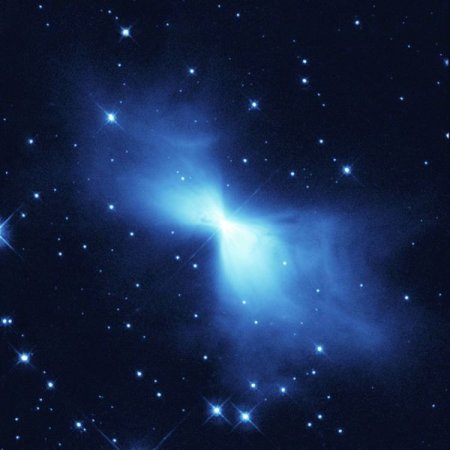
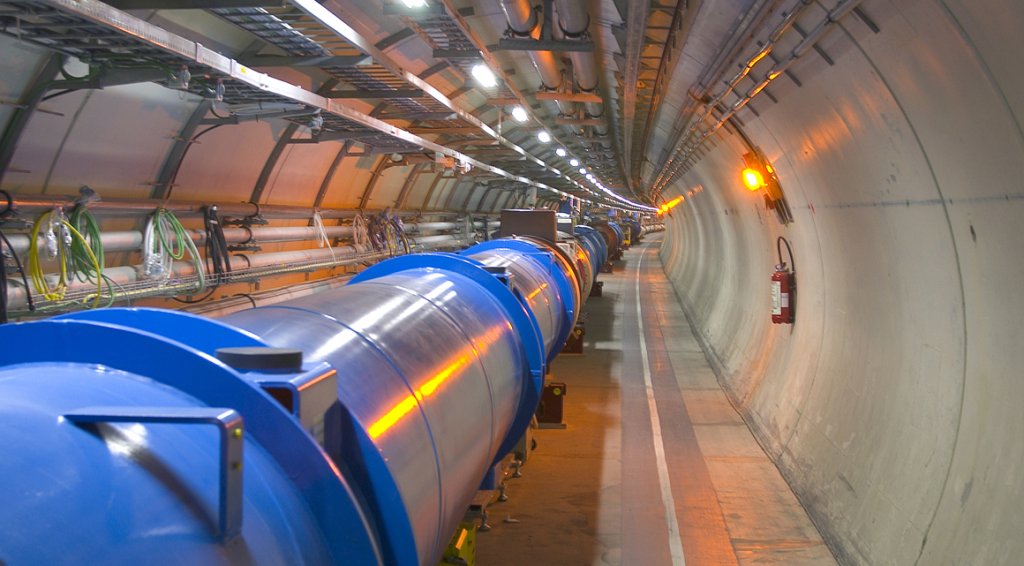
Coldest – Boomerang Nebula 1K The coldest place outside of a laboratory is the Boomerang Nebula at 1K or minus 272.15°C, which is even colder than the Universe’s background temperature of 2.7K. Hottest – Colliding particles in Large Hadron Collider 1000000000000000000K … Continue reading
Tagged magnitude
2 Comments
Slowest to fastest
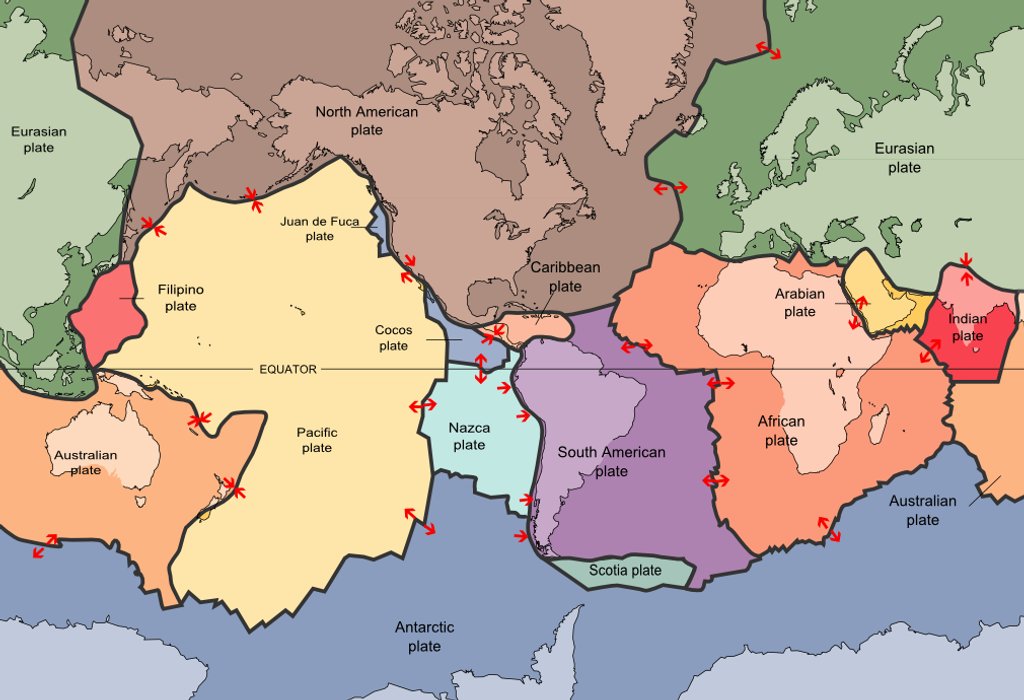
Slowest – Continental Drift 0.0000000003m/s The average relative speed of continental drift is about 10mm per year. At one time all the current continents were joined together in one supercontinent called Pangaea but over Earth’s 4.5 billion year history this was broken apart … Continue reading
Tagged magnitude
7 Comments
Lightest and heaviest
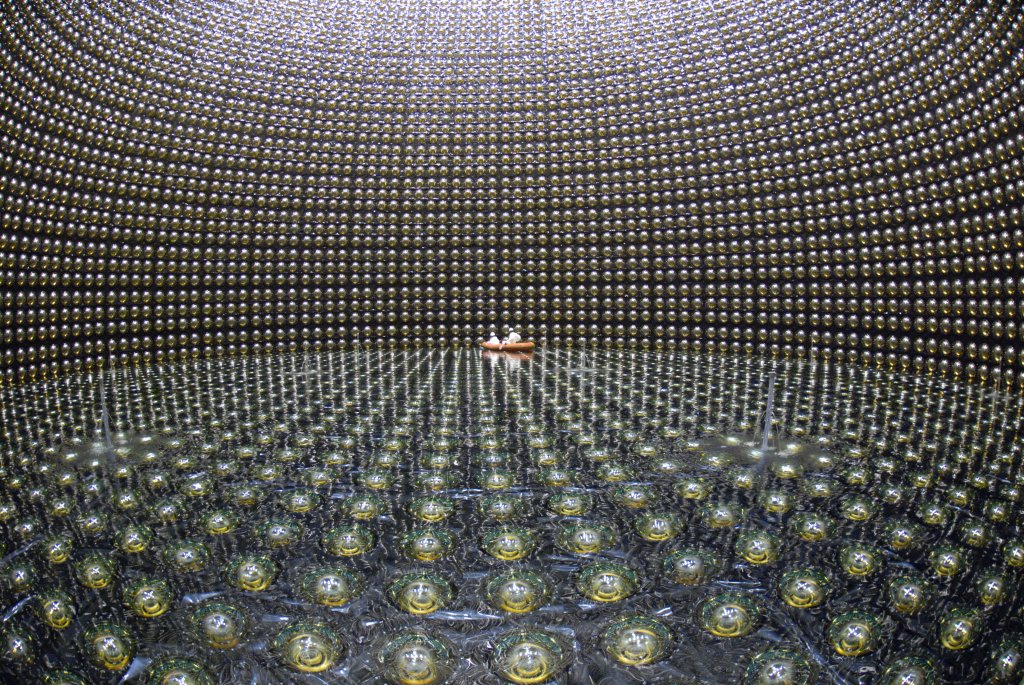
Lightest – The Electron Neutrino 0.0000000000000000000000000000000000036kg The electron neutrino is so light that it’s very difficult to detect; any detector needs to be buried deep underground where other particles can’t reach it and it needs to be very, very big. The Super Kamiokande … Continue reading
Tagged magnitude
Leave a comment